Monday, October 29, 2007

I'm a Daring Baker: Bostini Cream Pies


Yes, it's that time of the month again when Daring Bakers strike across the foodblogosphere! And I'm one of them. Since joining the ranks of Daring Bakers I've made Jewish Purist's Bagels, then a fancy Strawberry Mirror Cake, followed by a delicious Milk Chocolate & Caramel Tart a la Eric Kayser, and last month I was baking very comforting Sticky Buns & Cinnamon Buns. This month a lot of Daring Bakers are making Bostini Cream Pies. October challenge was set by Mary of AlpineBerry, and you can find the recipe here. Mary tells you all about the background of Bostini Cream Pies, but apparently it's an adaptation of Boston cream pie (vanilla layer cake with cream and topped with chocolate glaze). Boston cream pie is an American classic - the official state dessert of Massachusetts, no less - created by French chef M. Sanzian at Parker House Hotel in Boston a while ago.

Bostini Cream Pie is similar, yet different. The dessert was nice - a combination of rich vanilla custard, light orange chiffon cake and a glossy dark chocolate glaze. It was easy to make and assemble, and I used my silicon muffin tray for baking the chiffon cakes which worked really well. We enjoyed this American classic just before watching a great American movie (TransAmerica), so it was a thoroughly American Sunday:) However, there's something about the American cakes & desserts that I never understand. As it was just two of us eating it this weekend, we halved the recipe, which should have yielded four desserts. Yet we still ended up with enough custard, cakes and chocolate glaze to feed at least 6 (if not 8) comfortably - and believe me, neither I or K. can boast to have a small appetite. I could, in theory, have eaten a 1/8th of the original recipe instead of lunch or dinner, but never ever as a dessert after the starter and main course..

Anyway - my favourite Daring Baker challenge so far is still the Milk Chocolate & Caramel Tart a la Eric Kayser, K. swears by the Strawberry Mirror Cake. We're both looking forward to the next month's challenge :)

You can learn how other Daring Bakers did with this month's challenge by browsing through the blogroll here. There are about 200 Daring Bakers already, so be patient:)

Sunday, October 28, 2007

Weekend Herb Blogging # 106: The Round-Up!


Kalyn kindly trusted me with hosting this week's Weekend Herb Blogging. It has been quite a task! There were 45 entries from far away corners of the world, including New Zealand, Alaska, India, France, Philippines, Spain, Scotland, England, Croatia, Brazil, Canada and USA.

To make this round-up more digestible, I've grouped the entries by the main ingredients. However, I didn't want to make it too easy for you either, so I've listed the ingredients alphabetically, in Estonian ;) I have provided the English equivalents, of course..

Happy browsing!

AEDOAD - GREEN BEANS
Lia of Swirling Notions blog has been cooking with Romano Beans. Lia grows them herself, and is actually looking for more recipe ideas for using these particular beans. So if you know a recipe or two, go and tell Lia!

APTEEGITILL - FENNEL
Katerina (Vancouver, Canada) of Daily Unadventures in Cooking shares a recipe for Fennel Risotto with Goat Cheese. She's using fennel both as a herb and as a vegetable in this creamy risotto, so she's been doubly adventurous in cooking this time!

The Queen of Vegetables, Alanna (St Louis, USA) of A Veggie Venture is also cooking with fennel this week. She shares a simple recipe for delicious-looking roasted fennel. Just look at those gorgeously caramelised fennel chunks!

ARTIŠOKISÜDAMED - ARTICHOKE HEARTS
Burcu of Almost Turkish Recipes is sharing a recipe for Kuzu Etli Enginar aka Artichoke Heart and Lamb Stew. Sounds like a perfect autumn dish to me!


BANAAN - BANANA
Toni (San Diego, USA) of Daily Bread Journal is understandingly distraught about the recent fires in her area, yet manages to bake a comforting Banana-Coconut Bread.

BASIILIK - BASIL
Maninas (Croatia) of Food Matters has given a new twist to the traditional tuna & mayonnaise sandwich by adding some basil leaves from her windowsill - the result is Tuna & Mayo Sandwich with Basil, Lemon and Black Pepper. Maninas reminds us that basil won the honorable title of the most popular herb of last year's Weekend Herb Blogging!

INGVER - GINGER
Charise (Dublin, USA) of more bread and cheese, please! is sharing a recipe for Ginger-Vanilla-Pear Bread. The recipe uses a lot of crystallised ginger - my favourite way of consuming ginger - so I'm definitely bookmarking this one!

KARTUL - POTATO
Potatoes are the staple ingredient in Estonia, so I was excited to see Curry in Kadai's Kalva's (Andhra Pradesh, India) entry for Aloo Pudina Pulla Kura aka Minty Lemony Potato Fry.

There was another exotic potato entry: Sra of When My Soup Came Alive has included a leftover spud into her raita recipe - most unusual, and very intriguing!


KINKAN e. KUMKVAAT - KUMQUAT
Gwen (New York) of the Intoxicated Zodiac gives some zodiac tips for Virgos and shares a recipe for a pomegranite kumquat caipirinha. She's definitely providing the most teasing WHB photo I've seen so far!

VegeYum of A Life(Time) of Cooking (Australia) made a kumquat marmalade and describes it as divine. Cannot disagree with that - I love when you can see tiny black vanilla seeds in your food - be it a kumquat marmalade, plum jam or vanilla custard!

KORIANDER - CILANTRO/CORIANDER
Pam (TN, USA) of Sidewalk Shoes keeps always fresh parsley and cilantro/coriander in her fridge, as using fresh garnish makes all the difference in the world, as she says. She's using cilantro/coriander to garnish this great chicken tortilla soup.

KÕRVITS - WINTER SQUASH/PUMPKIN
The originator of the Weekend Herb Blogging, Kalyn (Salt Lake City, Utah) of Kalyn's Kitchen has come up with a beautiful and colourful recipe for roasted butternut squash - an excellent recipe for the forthcoming Thanksgiving festivities! Thank you, Kalyn, for launching WHB two years ago, and for letting me host this time - it's been fun (though tough)!

The Chocolate Lady (Greenwich Village, New York, USA) is cooking up a storm with bright-coloured uchiki kuri squash. You can find her Late October Lentil Soup with Uchiki Kuri Squash recipe here.

Rosa (Paris&Nice, France) of Edible adventures in Paris, Nice and beyond is also talking about winter squash, but different ones: courge de Nice, potimarron, ridged courge musquée and such like. For her first ever WHB entry (welcome, Rosa!) she's come up with a Provençal classic Tian de courge. Rosa is originally from Canada, but has been working as a food critic and cookbook writer in France for the last dozen years. You can get a glimpse of her life by visiting her blog!

Kevin (Toronto, Canada) of Closet Cooking is exploring the Japanese kabocha squash this week and creates a beautiful kabocha risotto. I love the garnish of deep fried sage leaves and toasted pumpkin seeds. I've been thinking of making a pumpkin risotto myself recently, and will definitely use toasted pumpkin seeds on top.

KÖÖMNED - CARAWAY SEEDS
Ilva (Tuscany, Italy) of Lucullian Delights was thinking of me when deciding which dish to enter for this week's WHB - how sweet is that!? You see, I had told her previously that I really like caraway seeds - a perfect spice to spice up a sauerkraut stew or rye bread and many other dishes. You can see her beautiful creation caraway carrots sweetly resting on a bed of soft goat's cheese. However, if you don't like caraway seeds, then you can use similar-looking (bot NOT similar-tasting!) cumin seeds in this recipe.

LEHTSINEP - MUSTARD LEAVES
Strata (Sunnyvale, CA, USA) of My Bay Area Garden is letting us know about mustard as a salad green and sandwich layer. I grew some mustard leaves in a container this summer, and really liked their subtle mustardy kick! Head over to Strata's blog - she even tells you about different mustard leaf varieties - just look at the colours!!

MÄDARÕIGAS - HORSERADISH
Annemarie (London, UK) of Ambrosia and Nectar was sitting in a cold, herb-less, husband-less house, and prepared a Rack of Lamb, Port and Cranberry Jus, and Parsnip and Horseradish Mash to warm and cheer her up the other day. It must have worked!


MÜNT - MINT
The talented Ximena (Madrid, Spain) of the Lobstersquad blog has been drooling over recipes in Andrea Nguyen´s Into the Vietnamese Kitchen: Treasured Foodways, Modern Flavours and tried various soups from the book. For the WHB, she drew us some lovely mint leaves.

Lissie (Bangalore, India) of Salt & Spice blog has made a coriander and mint chutney that she uses to make this great-looking ribbon sandwich. What a great idea, don't you think?

Syrie (Vancouver, Canada) of Taste Buddies blog used mint both to season and garnish her lamb biryani and to make her after-dinner mint tea. Both very comforting, don't you think? Mint is one of Syrie's favourite herbs. I drink a lot of mint tea, using mint from my mum's garden, but I must admit I've neglected mint as a herb.

PAPRIKA - BELL PEPPER
Mandira (Michigan, USA) of Ahaar: pleasure and sustenance has been throwing some mushrooms and green peppers in with her baked tilapia - a great dish if you need to eat more fish and vegetables!


PEET - BEETROOT/BEET
Shaun (Auckland, New Zealand) of Winter Skies, Kitchen Aglow obviously knows that I've got a soft spot for beetroot. His entry - Beetroot Risotto (adapted from Diane Forley & Catherine Young's The Anatomy of a Dish) - has already been printed out for perusal in our kitchen a.s.a.p. There are two steps to the recipe - first you need to pickle the beetroots, then make the risotto using those pickled beets, but it sure looks lovely!

Sophie (Oxford, England) of Mostly Eating shares a recipe for A warm beetroot, sumac and sweet potato salad that goes well with feta cheese. Sumac is also a great ingredient to use in this salad - its sharpness complementing the earthiness of the beets so well. I love her photo of small different-coloured beets - aren't they cute??

PETERSELL - PARSLEY
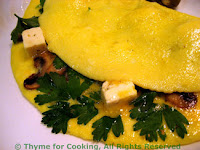
Katie (France) of Thyme for Cooking has still got plenty of parsley in her French garden, and she's whisked up this gorgeously yellow parsley and mushroom omelette. If WHB were about giving points, she'd get an extra one for calling me her very favourite Estonian :)

Anna (Sydney, Australia) of Morsels & Musings is using parsley to garnish her Lebanese breakfast dish Fatteh. The dish also contains lots of chickpeas, and sounds really good, so head over to read Anna's recipe.

Paz (New York, USA) of The Cooking Adventures of Chef Paz is also blogging about parsley this week. She fancied one of Ilva's fabulous cauliflower recipes, and is blogging about Very Cheap but Very Good Vegetable Soup. You can never have too many recipes like that, so check it out!

PILI - PILI NUTS
Joey (Manila, Philippines) of the lovely 80 Breakfasts pounded some native pili nuts into this pretty pili nut pesto. Sounds like something to try when I'm ever on these faraway islands!! I must admit I had to search an online database for the Estonian equivalent of pili nuts (Canarium ovatum). Turns out the plant is called pili-kanaripuu and the fruit is pili. Who would have known!?

POMMU e. BAKLAŽAAN - AUBERGINE/EGGPLANT
Patricia (São Paulo, Brazil) Technicolor Kitchen has been making Tomato, Minas cheese and eggplant salad in her kitchen. Patricia used Minas cheese - queijo Minas frescal - in a salad, which is a Brazilian speciality, but bocconcini would do, so you can all try the salad yourself. (And if you prefer reading the Portuguese-language version, then click here).

PORRU - LEEK
Chicken and Leek Pie was the entry submitted by Arfi Binsted (Tuakau, New Zealand) of HOMEMADES: A Joy of Being Domestic. Arfi has been struggling with sinusitis and recovering from the loss of her father-in-law. Lets hope that the Leek & Chicken Pie is

ROSMARIIN - ROSEMARY
A relative foodblogging newbie Laurie (Anchorage, Alaska) of Tastes Like Home: Mediterranean Cooking in Alaska proudly presents Revithia Soupa aka Lemony Chickpea and Rosemary Soup. The recipe is an example of the delicious dishes presented in her charity cookbook Tastes Like Home: Mediterranean Cooking in Alaska, which you can buy here.

Ramona (Alexandria, VA) of The Houndstooth Gourmet is also presenting a rosemary recipe, namely Rosemary, Olive and Honey Quick Bread. The bread looks beautiful and so comforting that I'm tempted to make it already this week. Luckily, I've got two pots of rosemary on my windowsill, so the ingredients are at hand..

SALVEI - SAGE
Genie (Iowa City, USA) of Inadvertent Gardener has used sage - a herb that abounds in her back garden - to make blackberry-ginger-sage vinaigrette to accompany a fruit salad. Doesn't that sound just delicious?

SEENED - MUSHROOMS
Peter (Toronto, Canada) of Kalofagas: Pursuit of Delicious Foods submitted the sole mushroom recipe this week, risotto with royal trumpets. I thought I know lots of wild mushrooms, but Peter has just introduced me to a new one (Pleurotus erýngii in Latin, kuningausterservik in Estonian).

SIBUL - ONION
As a former resident of Bonnie Scotland, it always delights me to hear from Scotland. So when an email poppled into my inbox from Holler (Scotland) of Tinned Tomatoes, I was very excited and headed straight over to check our her recipe for Apple & Red Onion Chutney. Go and admire the cute labels she has made!

SPINAT - SPINACH
Jennifer is blogging over at Like to Cook and she submitted a recipe for Spinach and chickpea soup. According to Jennifer, it's perfect on a chilly autumn day, which makes it perfect for pretty much anyone living on a Northern hemisphere at the moment :)

SUVIKÕRVITSAÕIED - ZUCCHINI BLOSSOMS/COURGETTE FLOWERS
Haalo (Australia) of Cook (almost) Anything At Least Once is clearly showing how the seasons on the Southern and Northern hemisphere differ. How else could she be blogging about this gorgeous Zucchini Flower Frittata in late October, when I did it back in July?


TOMAT - TOMATO
Susan (Missouri, USA) of the award-winning Farmgirl Fare blog baked a fabulous-looking fresh tomato and basil whole wheat sourdough bread. This bread is extra special, as the recipe was sent to Susan by one of her readers back in August, so it's a fan mail recipe. Susan has a recently started a small artisanal bread bakery at her farm, so no wonder she comes up with this beautiful loaf! (I must admit that Susan's banner is almost as beautiful as mine, so if you haven't seen it yet, then pop over:)

TŠILLIPIPAR - CHILLI
Margot (London, UK) of the Coffee & Vanilla: euro-caribbean food blog is mixing Polish, Dominican and British elements in her kitchen. For this week's WHB she recreates a recipe from UKTV Food, but adds her own twist. The resulting Fruit & Cheese Pastry with Sweet Chilli Sauce looks most intriguing and appetising, using both pears and apples, as well as feta and mozzarella cheese. Margot serves this with sweet chilli sauce, and she also provides a little more information about small and devillish bird eye chilli peppers.

VIIGIMARI - FIGS
Jeanne (London, England) of Cook Sister! blog writes an informative post on figs and shares a recipe for roast figs with balsamic vinegar and pine nuts. Go and read the story about the fig tree in her back garden in Pretoria!

VÜRTSKÖÖMNED - CUMIN SEEDS
Sher (Davis, California, US) of What Did You Eat blog highlights the role of cumin in her chicken and tomatillo stew. The recipe is adapted from Food&Wine, but Sher wonders why the end result has such a different colour in reality compared to the magazine photo. Any suggestions?

LOTS OF DIFFERENT VEGETABLES
Mike (Florida, USA) of Mike's Table has made a vegetable pizza. It's hard to highlight one particular herb or vegetable - the pizza is full of pure vegetable goodness, so do check out the recipe yourself. Mike has also provided good step-by-step photos.

Andrea (Northern Virginia/DC Metro, USA) of Andrea's Recipes has submitted a very informative and helpful post on making vegetable stock. I've only recently started making my own vegetable and fish stock, and can confirm that it makes all the difference (though I do cheat sometimes with my Marigold Vegetable Bouillon powder:)

Gretchen (Lima, Peru) of Canela y Comino is also using a whole range of vegetables for her submitted entry, Thai Style Stir Fried Chicken. There's onions, carrots, mushrooms, and broccoli, and Gretcshen kindly provides nutritional information on all these ingredients.

Saturday, October 27, 2007

Waiter, there is something in my ... Meekook aka Estonian honey cake


Here's my entry for the 10th installment of Waiter, there is something in my ... (WTISIM) foodblogging event, a brainchild of three fabulous British foodbloggers Johanna, Jeanne and Andrew. This month's edition is hosted by Andrew, who has asked us to send in our recipes for LAYERED CAKES. I decided to try meekook or a layered honey cake that is available in most cake shops and is a popular birthday table option. It consists of six thin cake layers and six simple sweetened sour cream layers. Our layers were slightly thicker than we expected them to be, but the taste was exactly right.

Enjoy!

MEEKOOK aka Estonian Honey Cake*
(Meetort)
Serves 12-16
Source: Koogiraamat (Lia Virkus & Angeelika Kang), 100 Rooga

* I have a confession to make. The cake I'm shamelessly submitting to the WTISIM Layered Cake was made from beginning until the end by my dear K. You see, I had chosen the recipe and had all intentions to make it on Saturday (i.e. this) morning. But then I stayed in bed for too long, and had to rush to my penultimate photography course session at noon. We had invited K's mum for dinner tonight, and the cake had to 'rest' in a fridge for a few hours, so he had to make it himself or we'd have no cake. I must admit I was glancing at my mobile phone every now, half expecting him to call and say that he messed up, but he didn't call. And he produced a lovely cake, don't you think :)


Honey cake layers:
3 Tbsp honey
250 ml sugar
3 large eggs
2 tsp baking soda/bicarbonate of soda
600 ml plain flour

Between layers:
1 kg sour cream
100 ml sugar

Whisk eggs until pale and thick.
Heat honey and sugar in a large saucepan. When it's about to boil, remove from the heat and add the whisked eggs, stirring until combined. Add baking soda and stir again.
Add flour gradually, mixing until combined. Put aside to cool.
Divide the dough into six equal parts (it's easiest to do it by rolling it into a cylinder and then cutting into six pieces).
Take six sheets of baking/parchment paper, dust very slightly with flour.
On a slightly floured parchment paper, form each piece of dough into a ball and then roll out into a 24 cm circles.
Bake one dough circle at the time for 5 minutes in the middle of a 225 C oven until dark golden. Remove from the oven and let cool on the baking paper.
Mix sour cream and sugar.
Layer five baked circles with the sour cream on a cake stand, covering also the top cake circle.
Crush the sixth cake circle in a food processor and sprinkle on the top layer of sour cream.
Place into the fridge for 6 hours or overnight.

Here are links to my previous Waiter there is something in my ... entries:
September 2007 (SAVOURY PRESERVE): Gooseberry Chutney
August 2007 (MEATLESS BBQ):
Roasted onions with blue cheese.
July 2007 (SAUCES):
Munakaste alias my grandma Senta's egg & smoked ham sauce.
June 2007 (DUMPLINGS):
Vareniki dumplings with curd cheese filling, served with home-made apricot jam & pistachios.
May 2007 (STUFFED VEGETABLES):
Stuffed tomatoes with two types of salad - cod liver salad & cucumber and wild garlic salad.
April 2007 (BREAD): a traditional Estonian quick mushroom bread,
Seenekarask.
March 2007 (EASTER BASKET): a selection of various
Easter delights.
February 2007 (PIE): a great Russian puff pastry and fish pie,
Salmon Kulebyaka.
January 2007 (STEW): my version (in collaboration with Anthony Bourdain:) of the French classic
Boeuf Bourguignon.

Thursday, October 25, 2007

Armenian Aubergine Stew (or Armenian Eggplant Stew, if you wish)

There's a smart little paperback by Nicholas Glee, called Don't Sweat the Aubergine: What Works in the Kitchen and Why, that I love. It's trying to de-mystify various kitchen conundrums - to wash the rice or not before cooking? to sweat the aubergine/eggplant with salt first? do you simmer your stock for 1, 2,6 or 10 hours? and such like. But it was the title that intrigued me enough to actually order the book. You see, most of the recipes using aubergines ask to salt, rinse and dry the aubergine before cooking. There are two major explanations for that. Explanation 1: apparently it eliminates the bitterness in aubergine - but then most 'modern' aubergines aren't bitter to start with. Explanation 2: it helps NOT to soak up too much oil afterwards. Mr Glee isn't convinced. Neither does he buy into Delia Smith's explanation that salting concentrates the flavour. He does recommend simply cutting up the aubergine, tossing with oil, salt and pepper and roasting them in the oven. Nice...

But here's a much better way to treat aubergines, trust me. In this recipe for 'juicy stewed eggplant' adapted from St Gregory's Church's fundrising cookbook Adventures in Armenian Cooking the aubergines are added to a simple tomato sauce. The aubergines soak up the seasoned tomato sauce (healthy, virtually fat-free), and emerge half an hour later being meltingly soft and tender, with plenty of flavour. It is equally delicious when freshly cooked, but is an extremely satisfying when eaten cool hours or even a day or two later.

The stew is seasoned with dried herbs - basil & mint in this case. The use of dried mint as a seasoning is especially widespread in Armenia, alongside cumin, barberries and various fresh herbs. Whereas the cuisines of the Caucasus area are typically quite meat-heavy, then Armenians also love their fruit, vegetables and salads. You can read more about Armenian cuisine here, here or here.

Armenian Aubergine Stew
(Armeenia pommuhautis)
Serves 4


about 500 grams aubergine (I used 3 smaller ones), cut into small chunks
1 onion, finely chopped
1 red or green bell pepper, seeded and cut into chunks
1-2 garlic cloves, peeled (optional)
2 Tbsp olive oil
400 grams crushed tomatoes or 500 grams tomato passata
0.5 tsp dried basil
0.5 tsp dried mint
salt
coarsely ground black pepper
200-300 ml boiling water

fresh basil or/and mint, to garnish

Heat the oil in a heavy-bottomed saucepan, add onion and bell pepper and fry gently for about 5 minutes, until they start to soften. Add whole garlic cloves, season with basil, mint, salt and pepper. Saute for another few minutes.
Now add tomatoes (either crushed tomatoes or tomato passata), aubergine chunks and hot water. Give it a stir, then simmer on a low heat for about 30 minutes, until aubergine is meltingly soft, but still holds its shape. Stir every now and then, adding more water, if the stew looks too dry.
Season to taste, garnish with fresh herbs and serve.


This is also my entry for the Vegetarian Awareness Month event hosted by Margot of Coffee & Vanilla.

Wednesday, October 24, 2007

Alanna's spicy carrot side dish recipe

[From the recipe archives. Originally posted on January 7, 2007. Updated with a new photo in October 2007]

I love foodblogging. Just when you're trying to come up with plans for dinner (not that it's a problem with all my cookbooks and food magazines and ever-expanding dishes-to-do-list, but still) , a recipe 'jumps' at you from a friendly foodblog while you're browsing your Bloglines alerts. That's exactly what happened to me yesterday lunch-time with Alanna's recipe for carrots with African spices. Funnily enough, it's not the first time carrot recipes 'come to me' from Alanna - she also reminded me of Kalyn's roasted carrots with mushrooms that has become one of my favourite carrot dishes..

I stocked up on carrots on the way home, and just half an hour after getting to our casa, K. and I enjoyed a wonderful meal you can see below. I used lime juice and fresh parsley, and added a spoonful of honey to the carrots for extra sweetness and a hint of glaze. Wonderfully fragrant and delicious! No leftovers whatsoever..

Alanna's carrots with African spices, my way
(Vürtsikad porgandid)
Very slightly adapted from Alanna's wonderful blog A Veggie Venture.
Serves 2 as a vegetarian main dish, more as a side dish.


1 Tbsp olive oil
4 cloves garlic, finely chopped
2 tsp Hungarian sweet paprika powder
1 tsp cumin seeds, slightly crushed
1 tsp coriander seeds, slightly crushed
300 ml water
500 grams carrots, peeled and cut into chunks
1 Tbsp lime juice
1 Tbsp honey
salt to taste
a handful of fresh parsley or coriander/cilantro, chopped

Heat the olive oil in a large saucepan, add the spices and garlic, stir for about a minute, until the spices are all aromatic.
Add the water and bring to the boil.
Add the carrots, season with salt and lime juice. Simmer gently for about 20 minutes (I like my carrots al dente - you may want to simmer them longer, like Alanna does), adding a spoonful of honey half-ways.
Once the carrots are your preferred consistency, then season, sprinkle with fresh parsley and serve, spooning any remaining liquid on top (the boiling water has been infused with spices, honey and carrot juices - you don't want to waste that!)

Other carrot dishes at Nami-nami:
Kalyn's roasted carrots with mushrooms (April 2006)
Moroccan carrot salad (December 2005)
Gingered carrots with feta cheese (November 2005)
Carrots with rosemary & orange (August 2005)

Tuesday, October 23, 2007

I'm hosting this week's Weekend Herb Blogging...

... so if there's an excellent recipe (or a fascinating story about) using a herb, vegetable, fruit or even edible flower that you've been wanting to tell other foodbloggers about, now is your chance.

If you're interested in participating, then first check out some WHB rules Weekend Herb Blogging rules, then post a recipe/informative post any time during the week, including a link back to this blog. You'll have until this Sunday evening, October 28th, to send in your entries, and I will post a round-up next Monday.

Please send a link to your WHB entry to nami DOT nami AT yahoo DOT com, putting WHB in the Subject line, and including your name, blog name, location and recipe name in the email.

First entries have already started to arrive, and I hope there will be some new participants joining WHB this week!


Click here to read my previous Weekend Herb Blogging entries.

Monday, October 22, 2007

Making my mum's tomato & onion relish instead of slow-roasted oven tomatoes

Here's a recipe for 'the' tomato preserve of Estonian women that I ended up making last night instead of slow-roasted oven tomatoes that so many good foodbloggers have been praising. Slow-roasted oven tomatoes have been featured by Molly, Alanna (and again), Kalyn, Lydia, Jeanne, even Dorie, and by Thredahlia closer to home) - all versions sound fantastic, and I bought some tomatoes at the market on Sunday morning for that purpose. But then I realised that slow-roasting really means slow roasting, and as we needed the oven for something else last night, I reached after my mum's tried and trusted quick tomato & onion relish recipe instead. I used to dislike it as a kid - too much onion, too much pepper, a bit vinegary - but have now come to really like it. When I asked K. to taste the finished product and share his thoughts about it, he claimed it tasted exactly like his mum's tomato and onion relish. Come to think of that, my mum's tomato & onion relish does taste very similar to my aunties' and grandmothers' ones indeed. It really must be the choice of tomato preserve for many Estonian women..

So if you've still got lots of tomatoes to 'deal with', yet haven't got the time to slow-roast the tomatoes, then consider this recipe. It takes about half an hour from start to finish, and it makes an excellent addition to cold meats and any other warm savoury dishes during the winter..

My mum's tomato & onion relish
(Sibula-tomatisalat)


1 kg ripe red tomatoes, quartered
500 grams onions, peeled, halved and thinly sliced
100 grams caster sugar
5 tsp coarse salt
10 black peppercorns
5 whole cloves
1-2 Tbsp vinegar (30%) *

Cut tomatoes into quarters or eights, depending on size, and put into a heavy-bottomed saucepan. Bring to the boil and simmer for 10 minutes, until tomatoes have gone a bit mushy.
Add the sliced onions, sugar, salt, peppercorns and cloves, and simmer on low heat for another 10 minutes, until onions have started to soften.
Stir in the vinegar, and immediately pour the relish into hot sterilised jars. Close the jars.
Keep in a cool, dark place for a few months.

* The most common vinegar for preserving in Estonia is of 30% strength. You may need to re-adjust the amount for your usual vinegar.

UPDATE 23.10.2007 - my fellow Estonian foodblogger Thredahlia (yes, our future Harold McGee:), claims that you don't need vinegar in this relish at all, as the inherent acidity of tomatoes helps to keep this fresh & good without it. Although I've already reduced the amount of vinegar above, I'll make a vinegar-less batch coming weekend to compare. Thank you, Thredahlia!!

Sunday, October 21, 2007

Just a food photo: Lacy Coconut Crepes with Rum-macerated Grapes


We always have pancakes or crepes on weekend mornings. This Saturday morning we realised we were out of milk. Luckily K. found some coconut milk in the fridge, and made us these beautiful lacy coconut pancakes that we enjoyed with grapes that had been macerated in some dark rum..

Not giving a recipe (just drizzle your usual pancake/crepe batter on the pan), but I really liked the photo :)

Friday, October 19, 2007

WHB: These are not blueberry muffins, but black chokeberry ones

When you look at the picture below, then these muffins look a lot like blueberry/bilberry/bog bilberry muffins, don't they? But nope, the berries that lend those dark speckles are not of the Vaccinium genus at all, but Black Chokeberries (Aronia melanocarpa), belonging to the Rosaceae family. It's a popular hedge plant here in Estonia, and because my aunt Vaike has a whole garden hedged off with chokeberry shrubs, a whole basket of ripe black chokeberries landed on my doorstep recently.

Chokeberries?? Never heard of them? What about Aronie à fruits noirs/Aronie noire in French, Schwarze Apfelbeere/Schwarze Eberesche in German, marja-aronia in Finnish, svart aronia in Swedish?? Well, chokeberries, which look a bit like rowanberries (only purplish-black), are considered functional food or nutraceuticals because of its high anthocyanin content. Those very anthocyanins contribute towards the astringency of the black chokeberries, but also gives them 'extraordinary antioxidant strength'. According to Wikipedia,

'a test tube measurement of antioxidant strength, the Oxygen Radical Absorbance Capacity or ORAC, has demonstrated chokeberry with one of the highest values yet recorded, of 16,100 micromoles of Trolox Eq. per 100 g- [Also the] total anthocyanin content in chokeberries is 1480 mg per 100 g of fresh berries, and proanthocyanidin concentration is 664 mg per 100 g. (Wu et al. 2004)'

(Whatever that means, it sounds impressive. All you need to know is that black chokeberries are incredibly good for you:)

Apart from all those impressive-sounding characteristics, black chokeberries have their place in the kitchen as well. They can be used to make jam (on their own or mixed with apples), astringent juice, and wine. As long as I can remember, my mum & auntie Vaike have made black chokeberry cordial (arooniasiirup) that we dilute with water during the year to make a refreshing drink. And I'll be making this cordial from some of the berries soon. But as I haven't baked for a few days, I decided to make black chokeberry muffins, using a Finnish Marttajärjesto recipe I had bookmarked ages ago. Yes, the dark berries in the muffins are a bit astringent, but they were juicy and delicious, just like superberries are supposed to be :)

Chokeberry Muffins
(Arooniamuffinid)
Makes 12 'European' sized ones


125 grams butter, at room temperature
100 grams caster sugar
2 large eggs
2 tsp vanilla sugar
2 tsp baking powder
350 ml plain/all purpose flour
100 ml milk
150 grams cleaned black chokeberries

Cream butter with sugar, add eggs one by one, mixing thoroughly after each addition.
Mix flour, vanilla sugar and baking powder, then add to the egg mixture together with the milk, stirring just as much as needed to combine the ingredients.
Fold in the chokeberries.
Divide into 12 prepared muffin cases and bake at 200 C for 15-20 minutes.

WHB: This is also my entry to the Weekend Herb Blogging, this time hosted by Susan of Well Seasoned Cook. Click on the logo below for more information about this foodblogging event started by Kalyn, or here to read Susan's wonderful round-up!

Wednesday, October 17, 2007

A little bit of sunshine: Orange Sorbet, sprinkled with pistachios

Living behind the impenetrable Iron Curtain, I grew up without bananas, McDonalds and Coca Cola. But we did have Pepsi Cola and Fanta. When Mr Nixon became the President of the USA, Pepsi became the first foreign consumer product to be sold in the USSR - apparently it was traded for Stolichnaya vodka. Fanta entered the Soviet shops when Mr Carter was presiding over the USA in 1979; Coca Cola arrived with Mr Reagan in 1985*. And it was the distant memory of Fanta - a orange-flavoured soft drink I haven't had for ages - that so vividly came to my mind when sipping the last, melted scoops of this beautifully coloured sorbet last morning..

Of course, there is much more to Fanta than freshly squeezed orange juice, sugar and water (and what is inside Fanta depends on where you're buying it - do read the note below**). But the association is there, at least for me. This was super-easy to make - as long as you've got an ice-cream machine (and I do), and extremely rewarding. We'll be making this sorbet again and again soon, as well as experiment with other citrus flavours..

Orange Sorbet
(Apelsinisorbee)
Serves 6


400 ml freshly squeezed orange juice
200 ml water
200 ml caster sugar
pistachio nuts, to serve (optional)

Pour water and sugar into a small saucepan and bring to the boil. Reduce heat and simmer for 5 minutes to make a syrup. Cool.
Mix cold orange juice and syrup and churn in your ice cream maker according to the instructions. (We gave it 20 minutes in a Kitchen Aid ice cream attachment).
Put in the freezer to harden a little before serving.

To serve, sprinkle with pistachio nuts for a great colour impact.

* Read this New York Times article from 1995 for more information.
** According to Wikipedia,
the Spanish Fanta Orange contains Carbonated water, sugar, 8% orange juice from concentrate, acidity regulator E-330 (citric acid), aromas, preserver E-211 (sodium benzoate), stabilizers E-414 (gum arabic), E-412 (guar gum), E-445, antioxidant E-300 (ascorbic acid), food coloring E-160a and gelatine (made from fish). The US Fanta Orange contains Carbonated water, high fructose corn syrup and/or sucrose, citric acid, sodium benzoate, modified food starch, natural and artificial flavors, sucrose acetate isobutyrate, sodium polyphosphates, coconut oil, yellow 6, brominated vegetable oil, red 40, dioctyl sodium sulfosuccinate.
So if you're buying Fanta Orange in the US, my orange juice association may seem totally out of place to you - there's none in the American version :)

UPDATE 31.10.2007: I've also learnt that Estonian Fanta Orange contains 3% orange juice (in the interest of research, I drank one last week. And yes, the association still holds:), and a Greek Fanta Orange a whopping 20% orange juice! What a difference! (Note that Coca Cola recipe is the same across the world).

Tuesday, October 16, 2007

A Wild Mushroom Meatloaf Recipe for the National Meatloaf Appreciation Day

The good people over at Serious Eats: A Food Blog & Community have declared coming Friday the National Meatloaf Appreciation Day. I take the 'national' here to mean 'US American', but assume that foodblogging is a borderless activity and they accept my humble Estonian submission, too. Here's a meatloaf I made few months ago. I wanted to blog about it in Spring, I did, as it was a really tasty meatloaf. However, I used some spring mushrooms that according to all Estonian, Finnish & Swedish mushroom experts classify as 'delicious eating mushrooms' (and I've got no reason to doubt the expertise of region's mushroom guidebooks), but by Northern American mushroom guides should be avoided at any cost*. I didn't want my Northern American readers to worry about me, so I didn't post about the meatloaf back then :) However, as you can use any other spring, summer or autumn mushrooms here (morels would be especially suitable because of their visual appeal), I figure the recipe is ready for revealing on this blog :)

UPDATE 19.10.2007: Click here to read the roundup over at Serious Eats!

Spring Mushroom Meatloaf
(Hakklihavorm kevadseentega)


250 grams fresh spring mushrooms (morels are perfect)
1 Tbsp olive oil
1 medium onion, minced
2 garlic cloves, minced
4 Tbsp fine breadcrumbs
100 ml single cream
500 grams minced meat (a mixture of pork & beef)
1 egg
2 tsp Herbes de Provence herb mixture
1.5 tsp salt
0.5 tsp black pepper
a bunch of fresh parsley or wild garlic**, chopped

** If you're using wild garlic, then you can reduce the amount of garlic in the recipe

Clean the mushrooms and leave whole, if they're not too large.
Heat the oil on a frying pan, add mushrooms and saute on a low heat for about 5 minutes, until some of the liquid evaporates.
Add the onion and garlic, saute for another 7-10 minutes. Put aside to cool.
Mix cream with breadcrumbs, leave to puff up for 5 minutes. Then add egg, seasoning and minced meat. Mix until combined.
Spoon half of the meat mixture into a greased small loaf tin/terrine form. Top with mushroom & onion mixture, then cover with the rest of the meat mixture.
Bake in the middle of 200 C oven for about 45 minutes, covering the meatloaf with a piece of foil half-way through the baking.
Serve hot with steamed vegetables. Cold meatloaf is excellent when thinly sliced on top of sandwich.

* The mushroom in question is Ptychoverpa bohemica alias wrinkled thimble-cap, known as kurrel in Estonian, poimukellomörsky in Finnish, Vindlad klockmurkla in Swedish, Böhmische Glocken-Morchel/Runzel-Verpel in German, сморчковая шапочка in Russian. You can see a picture here (it's a morel on the left, thimble-cap on the right).

Monday, October 15, 2007

Celebrating a year of living in Estonia with a gourmet meal at Restaurant Stenhus, Tallinn


Exactly one year ago today I moved back home to Estonia after seven eventful years in Scotland. I still remember arriving at the Tallinn airport shortly after midnight to discover four of my best girlfriends singing a children's song about home* in the middle of the arrivals hall, holding an enormous poster with 'Tere, kodu' (Welcome, home!) in their hands, with K. smiling amusedly on the background. I was utterly bemused, to say the least! On the very same day I also moved in with K, so today is the anniversary of my return to Estonia as well as moving in with him. I know that 'cohabitation anniversary' doesn't sound as grand as engagement anniversary or wedding anniversary, but it's been a beautiful and delicious year and we wanted to celebrate it in style. As K. is somewhere in the Netherlands on business today (you see, dear Ximena, you're not the only one celebrating the actual annviersaries on her own), then we celebrated the anniversary last Friday, when K. took me to one of the best restaurants in Tallinn - Stenhus. I've mentioned Stenhus before - it's the restaurant where K. took me over a year ago as well for our first proper meal together in Estonia. There was no Menu Estonie this time, and the prices were higher than I remembered, but we had the most exquisite meal that neither one of us could find any fault with. The flavours were bold, the dishes creative, the plates were beautifully executed, the food delicious - Stenhus fully deserves its title as the Best Gourmet Restaurant in Estonia that it has won for the three previous years. Sitting under the vaulted ceiling of a 13th century building makes you feel million dollars (well, at least kroons:). It's head chef, Tõnis Siigur, is a talented chef, and he certainly managed to surprise and please us with every single course of the Degustation Menu. Siigur is still in his early 30s, so I'm sure there's plenty more to look forward to - and I'm definitely already looking forward to our next visit there. I just need to find an excuse :)

Here's a short recap of our anniversary meal. In addition to an a la carte menu, the restaurant offers three different degustation menus - a 4-course menu (850 EEK), a 6-course menu (1100 EEK) and 9-course menu (1450 EEK, excl. drinks). We opted for the 6-course feast, allowing our extremely friendly waiter Robert to suggest suitable drinks. (Note that we used non-flash photography, which explains why the photos are somewhat dark.)

If you are in Tallinn, and keen to splash out on one special gourmet meal, then I wholeheartedly recommend Stenhus.


We started with a glass of sparkling wine, Cremant de Loire Brut, Langlois Chateau, while nibbling on the bread from the in-house bakery. The black sesame seed bread, dark rye bread with raisins, and parsley bread were all delicious, with a nice crust and soft, with a good bite, inside.

Then we were poured a glass of Vina Montes Sauvignon Blanc (2006), and given a small greeting from the Chef, consisting of crostini with cold smoked salmon & salmon roe; crostini with marinated anchovy fillet, and a small portion of roasted organic & free range beef fillet Qualite de Charolais, which was simply delicious - spicy, but so tender and smooth. You could sense the meat was from a happy cow indeed :)


Next up, the first actual course of our 6-course tasting menu, Fruit de Mer soup. The bisque was very spicy, and I'm sure it usually comes with lobsters, but as I had specified 'fish is ok, but no shellfish', our soup had a large piece of seabass, eel and salmon each, as well as couple of poached quail's eggs and some crunchy shredded celeriac and carrot. Very flavoursome, very nice.


This was followed by this neat number - a creamy pumpkin soup with Parmesan espuma and tiny profiteroles. Again, K's version came with roasted scallops, mine with tiny cubes of fried pumpkin and a drizzle of pumpkin seed oil. Considering that we recreated the soup & espuma at home last night, you may understand how much we enjoyed this particular creation:


The waiter filled our glasses with a 2005 Sauternes, and that was a clear giveaway about what the next dish would be. The third item on the degustation menu was a large piece of fried foie gras, served with a tomato confit mini tartlet and shards of Valhrona chocolate and some rocket leaves. This was my first time to try Sauternes wine, and I was absolutely taken by its floral and peculiar aroma - loved it! Also, the foie gras was excellent - perfectly fried, with a creamy texture and not unnecessarily cloying at all.


Again a new wine, this time Marques de Coiseres Crianza 2003 Rioja. Our fourth plate was roasted wild pigeon with a liquorice sauce and celeriac, served with a pigeon leg confit. I was a bit worried about this one, as I dislike liquorice. Or at least I thought I do. The wild pigeon was perfectly roasted - still with a hint of pink inside and extremely tender, and went very well with the subtle liquorice sauce. This was - together with the creamy pumpkin soup with Parmesan espuma - my favourite dish in the menu:


Next up, another meat course - lamb rack with aubergine/eggplant stuffed small red peppers, garlic & Kalamata olive puree, green beans. By now I was getting full and began wondering whether we should have opted for the 4-course degustation menu :) Still, a very well executed dish, with delightfully gutsy roasted Kalamata olive sprinkles:


For the dessert we got a Hot-pot au gratin with fresh berries and Muscovado sugar. We could identify red currants, blackberries and raspberries in the pudding.

We had a cup of tea, which was served with a nice selection of petit fours; and K. finished his meal with a Pomme Prisonniere Calvados Pays d'Auge (Calvados being his favourite after-dinner drink).


* 'Kus on kodu, mis on kodu, kus on kodukoht' from a popular Estonian children's movie Nukitsamees.

Sunday, October 14, 2007

Rye bread canapés with wild mushroom 'Caviar' and soft-boiled quail eggs

We went to one last mushroom forageing trip on Saturday, and got a large basket of mushrooms. Sadly, the season is now over - night frosts are here, and frost-bitten wild mushrooms aren't as nice. From the season's last saffron milkcaps, chantarelles and various porcini mushrooms I made these small rye bread canapés for a dinner with friends on Sunday night.

Delicious!!

Rye bread canapés with wild mushroom 'Caviar' and soft-boiled quail eggs
(Metsaseenesuupisted)


finely chopped wild mushrooms (preferably picked by yourself, then cleaned and sautéed with a little butter)
a small minced onion
some lemon juice
fresh dill
salt and pepper.
quails' eggs

Fry the rye bread slices in butter on both sides, cool a little.
Cover with mushroom 'caviar' and top with a soft-boiled (1 minute) quail egg.

Saturday, October 13, 2007

A cheesy cauliflower & mince gratin with dill; Kalyn's WHB turns Two


Yes, the Weekend Herb Blogging that Kalyn started two years ago is celebrating this weekend in style. Kalyn herself is hosting this round, and we're all asked to contribute a recipe using at least one vegetable and at least one herb [click here for the round-up]. Weekend Herb Blogging is a fun foodblogging event, and I've taken part quite frequently (you can see my WHB entries here). It's a great incentive to come up with new healthy vegetable dishes on a regular basis and to experiment with new herbs, providing variety and excitment to our daily diet.

For this special anniversary edition, I'm submitting a very simple dish that I cooked earlier this week. Yes, I could have come up with something hyper-unique and super-special, but then that's not how we eat usually here. A simple, homey dish is something that's much more useful, so that's what I chose. My featured vegetable is cauliflower - horrible, when old & overgrown, but wonderful, when young and fresh; my chosen herb is dill - definitely one of my favourite herbs, and a very common one here in the North-Eastern corner of Europe.

Cauliflower & Mince Gratin with Dill
(Lillkapsa-hakklihavorm)
Slightly adapted from Valio recipe for Kukkakaali-jauhelihapaistos
Serves 4


about 1 kg of cauliflower, cut into florets
300 grams lean mince (I used lean pork, with 5-7% fat*)
1 large onion
2 Tbsp oil
salt & coarsely ground black pepper, to taste
2 Tbsp fresh dill, finely chopped (plus extra to serve)
2 eggs
300 ml single cream
200 grams grated (mozzarella or any other well-melting) cheese

Cut cauliflower into florets, boil for 5 minutes in a slightly salted water. Drain.
Heat the oil on a heavy saucepan, add onion and fry gently for 5 minuted. Add the minced meat, fry for another 5 minutes or so, stirring regularly, until browned all over. Season with salt, pepper and dill.
Spread the meat & onion mixture on a 25 cm pie dish, about 3-4 cm high. Place cauliflower florets on top.
Whisk eggs with cream, pour over the cauliflower florets.
Bake at 200 C oven for 20 minutes.
Sprinkle with grated cheese and bake for another 10 minuted, until the cheese has melted and the dish is light golden brown on top.
Serve sprinkled with extra dill, and some green salad leaves or tomatoes.

* Kasutasin Rakvere delikatesshakkliha, rasvasisaldus 5-7%. Müüakse karbis.

Thursday, October 11, 2007

In search of a perfect Fried Green Tomatoes recipe


The autumn is truly here. Whereas only few weeks ago the sun was still warm and kind, then now we've been told to prepare ourselves for slush this weekend. I hope the predictions are unfounded, as I still hope to make it to the forest for one more wild mushroom hunt, so do keep your fingers crossed for me:) In any case, cooler autumn days also means the appearance of green tomatoes at the market, as there's simply not enough sun to ripen the otherwise grown-up tomatoes. We spotted huge boxes of them at the market last month already, and had to buy some. When I did the week-long eGullet foodblog recently, then a eGulleteer Scottie suggested his easy way for frying green tomatoes (I watched the movie again just a week earlier, incidentally), and made a lovely Sunday brunch of them.

Now I know there are lots of different ways to prepare the famous fried green tomatoes. I'd appreciate if you'd share your favourite version or any other tips and advice for preparing green tomatoes - there's plenty left, you see!

Fried Green Tomatoes
(Praetud rohelised tomatid)


green tomatoes*
finely ground cornmeal**
salt & pepper
Cayenne pepper
butter for frying

Mix cornmeal/cornflour, salt, pepper and Cayenne pepper on a small plate.
Cut tomatoes into 5 mm slices, crosswise, then dip into the cornmeal/cornflour mixture.
Heat a heavy frying pan on a moderate heat, add butter and allow to melt.
Layer tomato slices onto the frying pan and fry gently from both sides for a few minutes, until cornmeal/cornflour has browned a little and the tomatoes have softened.
Serve at once with fried eggs and a spicy mayonnaise sauce or adjika (a Georgian red pepper condiment).

* They must be fully grown tomatoes that are simply not red yet. Do not use undergrown green tomatoes, which contain high levels of glycoalkaloid tomatine, which isn't good for you. The amount in grown-up green tomatoes is negligible.
** You want the yellowish flour here, not the white starchy Maizena cornflour (UK)/cornstarch (US)!

Wednesday, October 10, 2007

Wild Mushroom Hunt: Saffron milkcaps (Lactarius deliciosus) & False Saffron Milkcaps (Lactarius deterrimus), plus a potato gratin recipe


Ten days ago we spent few hours in the forest forageing for mushrooms again. It had been raining on the previous days, yet the temperatures were nice and warm (17-18 C), so we knew there'd be lots of mushrooms. And we weren't disappointed. It was a two-stop forageing trip. After about 30 minutes in Our Secret Mushroom Forest Number One, I had barely covered the bottom of my new mushroom basket:


A mixture of Russula mushrooms on the left, one lone, but very pretty yellow Lactarius scrobiculatus amidst them, and a small pile of Saffron Milkcaps and False Saffron Milkcaps on the right.

Obviously it was time to move on. We quickly headed to Our Secret Mushroom Forest Number Two, where we played hide and seek with each other and the wild mushrooms for another 3 hours, to emerge with this beautiful bounty:


The basket contains a lot of saffron milkcaps and false saffron milkcaps, which are hidden under layers and layers of brown rufous milkcaps and white-and-pink Russula mushrooms, and a handful of gypsy mushrooms. We could have picked a lot more (there were A LOT of edible wild mushrooms), but it was starting to get darker, and the basket was already getting too heavy to carry, so we decided to head home.

Back home I had to sort through twice the amount of mushrooms on the photo - mine and K's - and do all the preparatory work for pickling, salting, freezing and so on. The saffron milkcaps and false saffron milkcaps, however, were simply fried in butter and used for this simple and delicious dish that is a perfect showcase for these beautifully orange-coloured fragrant mushrooms. I had 1.65 kg of cleaned saffron milkcaps/porgandriisikad and false saffron milkcaps/kuuseriisikad (both considered equally excellent eating mushrooms here in Estonia), so I had plenty for this vegetarian gratin, and also put some away in air-tight glass jars in the fridge, so I could make this dish again soon..

Wild Mushroom & Potato Gratin
(Kuuseriisika-kartulivorm)
Serves 6


1 kg boiled potatoes, thinly sliced
500-600 grams cleaned saffron milkcaps*
2-3 Tbsp butter
1 leek, thinly sliced
150 grated cheese
300 ml single cream
salt
black pepper
fresh herbs, finely chopped

Clean the mushrooms, cutting them into smaller pieces. Heat a heavy-bottomed frying pan on a low heat, add mushrooms and heat for a few minutes, until 'juices' evaporate. Then add butter, and fry, until mushrooms are glistening.
Butter a large oven dish, layer half of the potatoes at the bottom. Cover with fried mushrooms, then top with the rest of the potatoes. Season with salt and pepper, then sprinkle with grated cheese and finally pour the cream over.
Bake at 200 C for about 20 minutes, until the dish is hot and lovely golden brown on top.
Garnish with chopped hers and serve with some salad leaves.


* You can use other wild or cultivated mushrooms here, though they won't look and taste as delicious :)

For more mushroom ideas, check out these recipes.

Monday, October 08, 2007

A Twist on the Carrot Cake: Beetroot & Ginger Cake

My dad doesn't eat cakes. He's got a sweet tooth, alright, but he prefers chocolate over baked goods. He's also not into vegetables so much. His favourite meal would probably consist of roasted pork, pickled wild mushrooms, loads of cheese, all drowned with some Estonian beer. So when my parents came for a cup of coffee and a slice of cake last Sunday afternoon, I didn't tell them that I was serving a beetroot cake*. My mum did wonder what were the ruby pink speckles in the cake, but it was only after they had both eaten a slice that I told them it was a beetroot cake.

Neither one of them batted an eyelid, and both of them promptly helped themselves to another piece.

And I was one happy daughter..

* If you like carrot cake (and I do), then you're bound to like this cake (and I did). Beetroot gives the cake some moistness and sweetness, and you don't have to worry about this tasting musty or whatever else might put you off beetroot. I'll be definitely making this again, perhaps adding finely chopped crystallised ginger or Buderim ginger nibbles to the cake to further enhance the ginger-beetroot flavour combination.

Beetroot & Ginger Cake
(Peedikook ingveriga)
Based on this Pirkka recipe
Makes 12 pieces


4 large eggs
300 ml soft brown sugar, lightly packed
400 ml plain/all-purpse flour
2 tsp baking powder
2 tsp vanilla sugar
1 tsp of ground ginger, or 2-3 Tbsp crystallised ginger pieces
300 gram raw beetroot, coarsely grated
175 grams butter, melted & cooled

Whisk eggs with sugar until thick and light caramel colour.
Mix flour, vanilla sugar, ground ginger, baking powder.
Add the melted butter, dry mixture and grated beets to the egg-sugar mixture, folding gently.
Line a 25x25 cm or 25x30 cm baking tray with a parchment paper, pour the batter into the tray.
Bake at 200 C for 35-40 minutes, depending on the size of your tray, until the cake is dark golden brown on the top. Test for doneness with a wooden toothpick- if it comes out dry & clean, the cake is cooked.
Cool a little, then cut into squares.

Serve with a cup of coffee or tea. A dollop of ginger-flavoured whipped cream would be nice, too.

Sunday, October 07, 2007

WHB: Sea-Buckthorn Jelly with Kama & Mascarpone Mousse


I'm on the mission to tell the world about all those gorgeous fruit & berries we are eating here in Estonia ;) Flowering quinces. Lingonberries. Bilberries and bog bilberries. Cloudberries. Wild strawberries galore. Yet the list is not complete yet. Here's something new, something that has taken Estonia by storm during the last decade or so. Something I doubt very many of you have eaten or maybe even heard of. Let me introduce you to Sea-buckthorn (astelpaju in Estonian). I've mentioned it on my blog previously here and here; for some weird reason I never told you about those three delicious sea-buckthorn cheesecakes I made last Christmas.

Sea-buckthorn (Hippophae rhamnoides L) - or 'Siberian grapes' :) - have been hailed as the new superfruit, mainly for their high share of antioxidants and nutritional make-up. The juicy orange-coloured berries are high in beta-caroten, Vitamins C and E. When I say 'high', I mean it - some sea-buckthorn berries contain 10-15 times more vitamin C than lemon! Here's a shot of sea-buckthorn berries, taken at the Tallinn Central Market last month:


Sea-buckthorn berries can be turned into jam, jellies, fruit wine, sweets, and juices and cordials (both are very, very popular here). In Central Asia the fruit are eaten with cheese and milk. The tart berries can also be used to season fish and meat dishes, just like lemon juice. I wanted to make something that had been in my mind for a while - a combination with kama. After all, I've sent kama to so many of you that it's my obligation to provide you with new recipes for that roasted grain mixture :) This is a great recipe to showcase kama - the sea-buckthorn jelly has a tart and slightly sour flavour that is a good companion for a creamy-grainy mascarpone and kama mousse. And a wonderful colour to boot!!

Sea-buckthorn trivia: 'tyrni', as sea-buckthorn is known is Finnish, is the official plant of Satakunta region in South-West Finland. (You can read much more here, only in Finnish, however).

Sea-Buckthorn Jelly with Kama & Mascarpone Mousse
(Astelpajutarretis kama-mascarpone kreemiga)
Serves 4


For sea-buckthorn jelly
125 grams sea-buckthorn berries, pureed and strained
water (enough to make up 300 ml sea buckthorn liquid)
sugar to taste
3 gelatine sheets

For kama-mascarpone mousse
250 grams mascarpone
2 Tbsp kama mixture
sugar to taste

For the jelly, you need 300 ml sea buckthorn juice. You can either use shop-bought good-quality sea-buckthorn juice, or make your own. To make your own, wash the berries (put few berries aside for garnishing) and puree in a blender. Press through a fine sieve. Then take some boiling water and pour over the sea-buckthorn pulp on the sieve to extract more juice. Continue, until you've got 300 ml liquid. (Using boiling water helps to extract more 'juice matter' from the pulp).
Soak gelatine leaves in cold water for a few minutes. Meanwhile, heat about 100 ml of the sea buckthorn juice to about 70 C, then drain and press soaked gelatine leaves and add to the heated juice. Stir, until dissolved, then add to the rest of the juice, stir, and pour into four dessert glasses/bowls.
Place into the fridge for a few hours to set.

For kama-mascarpone mousse, cream mascarpone with a wooden spoon or electric mixer until fluffy, adding sugar to taste. Add a spoonful or two of kama mixture, depending on your taste again. You may also add some single or whipping cream to the mixture, to make it lighter.

To serve, spoon some kama mousse onto set jellies, top with whole sea-buckthorn berries.

WHB: This is also my entry to the Weekend Herb Blogging, this time hosted by Haalo of Cook (Almost) Anything at Least Once. Click on the logo below for more information about this established foodblogging event. For other great entries for this week's Weekend Herb Blogging, check out Haalo's round-up here.

Saturday, October 06, 2007

Cooking from The Cook's Book: Salmon with Cajun Blackening Spices


I haven't had any fish recipes on the blog for a while (not since the picturesque teriyaki salmon, but that post didn't contain a recipe), so it's time to remedy the situation, especially as 'eating more fish' was one of my 2007 foodie resolutions.

I chose a recipe from Jill Norman's The Cook's Book: Step-by-step techniques & recipes for success every time from the world's top chefs, a book I gave to K. as a Christmas present last year after reading Sam's enthusiastic praises to Jill Norman's hefty tome. The book is divided into sections, each full of great instructions and recipes by the masters of their field - Dan Lepard (Breads & Batters), Ferran Adria (Foams), Marcus Wareing (Meat), Ken Hom (Chinese Cooking), David Thompson (Thai Cooking), Pierre Herme (Pastry & Sweet Doughs; Desserts), to name just a few. I've tried quite a few recipes from the book (Pierre Herme's recipe for pâte brisée with a twist is a particular favourite of mine; K. has been taken by Madame Guérard's method for deep-frying eggs), and due to the accumulation of our newest kitchen gadget have been reading up on Adria's chapter recently :)

The recipe is from Peter Gordon's chapter on Flavourings, and has been very slightly adapted. I reduced the recipe to feed the two of us; only used whole spices, as that's what we keep in the house; used fresh garlic, as I've never understood the appeal of dried garlic powder. I also cooked my salmon fillets for a wee bit longer than prescribed by Peter Gordon, yet still leaving salmon tantalisingly opaque-pink inside. Note that although it is usually recommended to dry-roast your whole spices first, it's not necessary here, as the spices will be coming into direct contact with the heat anyway.

And yes, of course it's a keeper. I wouldn't be sharing the recipe with you otherwise.

Salmon With Cajun Blackening Spices
(Peter Gordoni lõhefilee Cajuni vürtsidega)
Source: Peter Gordon in The Cook's Book (p 99), very slightly adapted
Serves 2-3


2 salmon steaks or fillets

1tsp cumin seeds, crushed
1 tsp coriander seeds, crushed
2 tsp smoked Spanish paprika, pimenton
1 tsp black peppercorns, crushed
1 tsp dried thyme
a pinch of dried oregano
2 tsp fine salt
1 garlic clove, finely minced

olive oil or rapeseed oil, for frying

Crush all cumin seeds, coriander seeds and peppercorns in the pestle & mortar, add other spices and finely chopped garlic clove. Mix and rub over salmon fillets or steaks (both sides!). Cover the tray and leave to marinate at room temperature for about 30 minutes.
Heat a heavy-bottomed frying pan on a moderately high heat until hot, add the oil. Place salmon fillets in the pan. Leave to cook for 2-3 minutes, without moving them (this helps to get a nice and even browning).
Turn salmon fillets around, cover the pan with a lid and cook for another 2-3 minutes, depending on how cooked you like your salmon.
Transfer onto warmed plates and serve with a cucumber salad and a dollop of thick yogurt/sour cream.

Thursday, October 04, 2007

It's Your Call: A Blue Cheese and Pear Tart


I really wanted to save this post for Christmas, as it'd be perfect for the festive season, but wasn't able to. You see, some of you saw the photos in my Flickr stream, and started asking for it, persistently. Being a kind person as I am, I decided that it'd be unfair to let you wait for another 3 months before sharing the recipe..

Few years ago an Estonian cookery programme Kaunimaks köögis (channel TV3) featured a recipe for a pear and blue cheese tart. I hadn't seen the programme, but a friend of mine did, liked what see saw, tried the tart at home and sent me the recipe. I waited a few years until I had some lovely pears, excellent blue cheese, and some good puff pastry in hand. After couple of inevitable adaptations (puff pastry for shortcrust one, 'slashed' pears* for cubed ones, almonds for hazelnuts etc) I came up with this version and made this early last month. And, oh my, it was absolutely delicious, and versatile. It's a wonderful mixture of subtle sweet and savoury flavours that would be just as perfect as a starter before a fancy main course, or as a dessert after one. It would be an excellent accompaniment to a glass or two of white wine (forget about cheese & grapes!), or a cup of coffee or tea. It's your call where and when to serve it. Just excellent. And furthermore - due to the mix of spices in the filling, it would be perfect, absolutely perfect, for the forthcoming Christmas season. I will be definitely making it again.

I used the very excellent Finnish blue cheese - Valio Aura Gold - that has been ripened for 12 weeks. It's strong, but rounded and yet mellow. If that's not available to you, then try some mellow blue cheese instead. Think Gorgonzola or Danish Blue rather than Stilton or Roquefort here..

Blue Cheese and Pear Tart
Serves 6-8


250 grams puff (Danish) pastry
4 large pears, peeled, halved and cored
50 grams slices almonds
100 grams Aura Gold blue cheese, cut into small chunks
300 ml single cream
2 free-range eggs**
1 tsp of gingerbread seasoning***

Roll out the puff pastry into a circle and line a 22-25 cm pie dish with it. Cover with a parchment paper and ceramic baking beans, and blind-bake at 200C for 15 minutes.
Cut the pear halves cross-wise almost through, place nicely on a pre-baked crust.
Place cheese chunks between the pear slices. Tuck almond slices between the pear slices.
Whisk the cream, eggs and spices together, pour over the pears and cheese.
Bake at 180-200C for another 25 minutes, until the egg mixture has set and the pears are cooked.
Cool before serving.


Tuck in and enjoy!!!

* I first saw slashed/sliced pears in a tart on the display shelf of Cafe Peterson here in Tallinn, and thought that'd be much nicer than cubing the pears.
** The eggs are from these happy chicken, which explains the bright yellow colour of the filling.
*** Estonian gingerbread seasoning contains cinnamon, ginger, cardamom, nutmeg and cloves. Feel free to use mixed spice (coriander, cinnamon, cloves, allspice, nutmeg, ginger) or pumpkin spice (cinnamon, ginger, allspice, nutmeg) instead. Or, if you prefer, just take a pinch of this and a pinch of that :)

Tuesday, October 02, 2007

An easy breakfast: kohupiimasaiad aka Curd Cheese Toasts


I was flipping through the pages of a tired thin Estonian cookbook called "Kohupiimatoidud" the other day, looking for some nostalgic recipes. The cookbook was published in 1973, a year before I was even born, and is full of recipes utilising curd cheese, one of the very popular ingredients in Estonian kitchen (frequently featured here on Nami-nami blog, as you can see from the long list of curd cheese recipes at the end of this post). One of the recipes that caught my eye was for curd cheese toasts - something my mum used to make quite often to me and my sister. As I still had some white bread left after making Estonian tomato toasts, I decided to make my childhood recipe from the book for breakfast today. Creamy and sweet topping with a hint of vanilla, hot and crispy base - what more can one ask from a breakfast toast!? Of course, this would work just as well as a weekday dessert, especially if there are children in the house..

If you cannot find curd cheese (ask for tvorog in Russian and Polish shops), then try ricotta or fromage fraiche instead. As far as the bread is concerned, then try to get hold of wheat bloomer.

Estonian Curd Cheese Toasts
(Ahjus küpsetatud kohupiimasaiad)
Makes 6 toasts


250 grams curd cheese
3-4 Tbsp sugar
1 egg
vanilla extract or vanilla sugar, to taste
1 Tbsp sour cream or yogurt
6 slices of white bread

Mix curd cheese with sugar, vanilla, sour cream and egg.
Lay bread slices on a baking sheet, spoon the curd cheese mixture over:

Bake at 200 C for about 15 minutes, until the curd cheese mixture is slightly golden.
Serve warm with a cup of coffee, tea or glass of milk.

Other curd cheese recipes @ Nami-nami:
Curd Cheese Cake with Grated Apples (November 2006)
Curd Cheese & Apple Souffle (September 2007)
Easter Pashka (April 2006)
Lemony Curd Cheese Cake (May 2006)
Lemony Curd Cheese Tart (March 2006)
Milk Curd Cream with Blueberries (March 2006)
Sõrnikud alias curd cheese patties (plain or with carrots) (January 2006)
Vareniki dumplings with curd cheese filling, served with home-made apricot jam & pistachios (July 2007)

Monday, October 01, 2007

New Höganäs teacups, three Swedish foodbloggers, a great tomato toast recipe


While I'm still a bit exhausted after a day forageing for wild mushrooms in the forests on Saturday (and then cleaning, pickling, salting, frying them until the wee hours of the morning - and yes, of course I will be writing about those gorgeous mushrooms soon), and completing my latest Daring Baker challenge yesterday, I thought I post a photo of my newest kitchen acquisition, 2 lovely Höganäs mugs (above).

You see, last Tuesday I had the pleasure of meeting three lovely Swedish foodbloggers - Dagmar, Anne and Kristina. It was a meeting that should have happened over a year ago, when I was in Stockholm for a wedding, but unfortunately all three girls were out of town back then. However, now we met, and I had great time with them exploring Old Tallinn. We met under the Town Hall Raekoda, headed for a rustic Estonian lunch at Kuldse Notsu Kõrts, then wandered around the cobblestoned streets, before relaxing with a cup of coffee at Chocolats de Pierre. Dagmar and Kristina have written in much more detail about the Tallinn Tuesday here and here - do go and check out the posts and the photos.

And the two Höganäs mugs? Well, Anne, Dagmar and Kristina brought those as a gift to me, to accompany my gorgeous Höganäs teapot. What a thoughtful present, and what wonderfully perfect-sized mugs!


Meanwhile - the bruschetta-lookalikes on the top and above photo are nothing but. They're butter-fried crispy white bread slices with tomato-onion-dill topping, prepared according to a recipe from a very sweet Estonian blogger Krentu. Bread slices are fried slowly and gently in plenty of good butter, and topped with finely chopped sweet onion, ripe tomato and fragrant dill. That's it. That's how a friend of Krentu's late grandmother ate tomatoes during the summer, so the recipe is very old, definitely local and utterly delicious :) Aitäh, Eveli!!!